
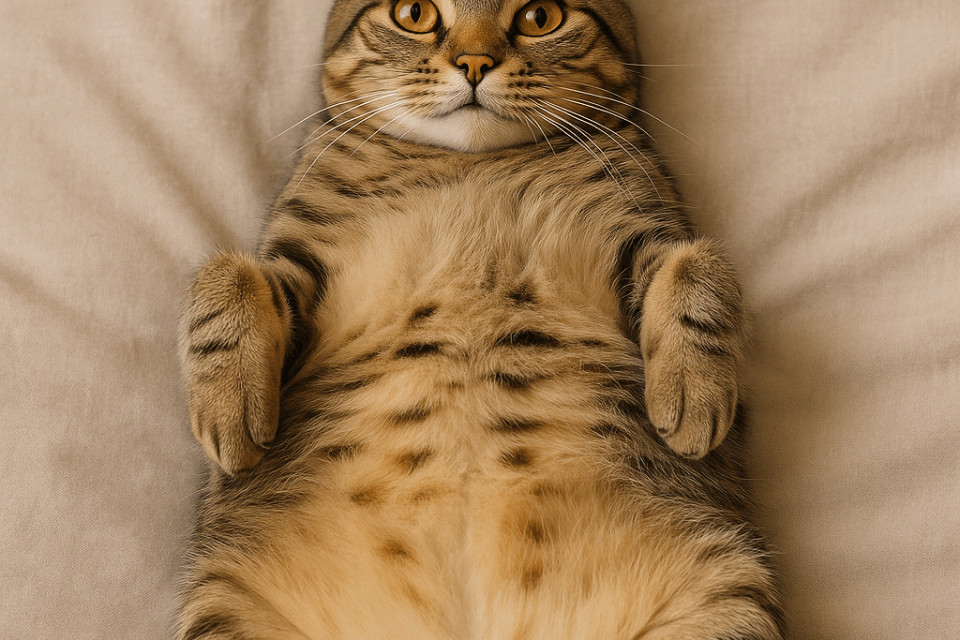
Why Shouldn’t You Hold a Cat’s Belly Up?
The cat’s belly might look soft, fluffy, and tempting to hold, but lifting or carrying a cat by its middle is almost always a bad idea. While some cats tolerate it, most experience discomfort, stress, or even injury. Understanding why the belly is such a sensitive area is the first step to handling cats safely and respectfully.
Discomfort and Pain
When you lift a cat by its belly, you’re pressing on one of the most sensitive areas of its body. The cat’s belly protects vital organs like the stomach, intestines, and bladder. Pressure in this region can cause real discomfort, even if the cat doesn’t show it immediately.
Cats are small, but their bodies are not designed to take the full weight from their underside. Lifting them like this places strain on muscles and can create micro-injuries over time. It’s especially risky for kittens, older cats, or cats with existing medical issues like arthritis.

Stress and Anxiety
Cats thrive on predictability. Their instincts tell them to guard the belly at all costs because it’s a vulnerable area. Exposing the cat’s belly is often a sign of trust, but that doesn’t mean they want you to grab or lift them that way.
When you pick a cat up by the belly, you break that trust. The cat may panic, struggle, or lash out. This reaction comes from pure instinct, not bad behavior. Over time, this can make the cat associate your touch with stress and avoid being handled altogether.
Loss of Control
Being lifted by the middle removes a cat’s sense of balance. Unlike humans, cats don’t like being carried in positions where they can’t control their limbs. Lifting them belly-up makes them feel trapped.
The result? A frightened cat that might claw or bite to regain control. And once a cat connects belly handling with panic, it’s very hard to undo that association.

Injury Risks
Injuries are a real possibility when cats lose balance in mid-air. A cat lifted belly-up might twist suddenly, fall, or land awkwardly. Injuries can range from sprains and scratches to more serious fractures.
This is especially true with kittens or senior cats. Their bones are either developing or weakening, which makes improper handling far more dangerous. Remember, what seems harmless to you might result in weeks of pain or a vet bill for the cat.
Better Handling Techniques
The safest way to lift a cat is simple: one hand under the chest, the other under the hindquarters. This supports their full body weight and allows them to feel secure. When holding them close to your chest, the cat can rest comfortably without dangling. This reduces anxiety and builds trust.
The cat’s belly should always remain free from unnecessary pressure. While some cats tolerate being scooped under the belly, it’s not a universally safe method. For long-term trust, stick to techniques that respect their natural posture.
Posture Problems
Improper lifting not only causes stress but also affects posture. When lifted by the belly, cats are forced into awkward positions that strain their spine and joints.
Over time, these small strains can contribute to back problems. This is especially concerning for breeds like Persians or Maine Coons, which already have unique body structures. A safe lift maintains the cat’s natural posture and keeps the cat’s belly protected.
Common Mistakes in Lifting Cats
Many people unknowingly lift cats in unsafe ways. Let’s break down some of the most common mistakes.
| Mistake | Why It’s Harmful |
| Holding by the belly | Pressure on vital organs, loss of balance |
| Lifting by front legs | Strains joints and muscles |
| Scruffing kittens | Only safe for mother cats; harmful for humans to replicate |
| Dangling under armpits | Stressful and causes discomfort |
Each of these methods disregards the natural sensitivity of the cat’s belly and can damage trust between you and your pet.
Why Cats Guard Their Belly
Understanding why the cat’s belly is so sensitive explains why cats resist belly handling. The belly protects organs and soft tissue that, in the wild, predators target. Evolution has wired cats to guard this area fiercely.
Even when a cat rolls over and shows you its belly, it’s usually an invitation to trust, not to touch. Petting or lifting them at that moment often results in scratches, not cuddles.
Alternatives to Belly Handling
If you want to build a strong bond with your cat, use alternatives that make them feel secure.
- Supportive lift: One hand under the chest, one under the bottom.
- Lap approach: Encourage the cat to climb onto you rather than being picked up.
- Floor cuddles: Sit or lie down at their level and let them initiate.
By respecting the cat’s belly, you show that you understand their boundaries. This strengthens trust and creates positive associations with handling.
The Role of Trust
Cats don’t give trust easily, and violating belly safety is one of the quickest ways to lose it. When you respect the vulnerability of the cat’s belly, you’re reinforcing that you are a safe presence.
Trust grows with consistency. Safe handling, gentle touch, and positive reinforcement all contribute to a healthier bond.

FAQ’s About Handling Cats
Is it bad to hold cats with their belly up?
Yes. The cat’s belly is sensitive, and lifting this way causes discomfort, stress, and possible injury.
Why shouldn’t you pick a cat up by the middle?
It removes their balance, applies pressure to organs, and breaks trust.
Why shouldn’t you touch a cat’s belly?
Most cats guard their belly instinctively. Touching it can trigger defensive reactions.
Why do cats get paralyzed when you grab their neck?
This reaction (called “scruffing”) works only when a mother cat carries kittens. Humans using it cause unnecessary stress and possible harm.
How to pick up an aggressive cat?
Use thick gloves, wrap in a towel, or consult a vet. Never lift by the cat’s belly.
Final Thoughts
The Cats Belly is one of the most sensitive parts of a cat’s body. Lifting a cat by the belly is unsafe, uncomfortable, and can damage trust. The right way to pick up a cat is by supporting their chest and hindquarters, keeping them secure and balanced.
For more expert guidance, you can also check this helpful resource on how to pick up a cat safely.
At the same time, remember that safe handling goes hand in hand with overall health. Regular visits to the vet keep your cat happy and strong—read more about why regular checkups at a vet are important.
By respecting their natural instincts and supporting their health, you protect your cat from harm and build a stronger bond based on trust.

0 Comments