

Worm Infestation in Dogs: Proven Prevention Tips Every Pet Owner Must Know
Worm infestation in dogs is a critical health concern that can lead to significant suffering, severe illness, and even death if left untreated. Beyond affecting the pet, these parasitic worms pose a risk to humans, making prevention a matter of animal welfare and public health. Many dog owners remain unaware of the initial asymptomatic nature of these infections, which can make early detection challenging. This emphasizes the importance of consistent preventive measures and awareness.
Common Types of Worms in Dogs
Various types of parasitic worms can cause worm infestation in dogs, each with unique characteristics, modes of transmission, and health impacts. Understanding these worm types is essential for effective prevention and timely treatment.
Roundworms

Roundworms are long, spaghetti-like parasites that can reach up to 18cm in length. These worms are typically white and can often be seen in a dog’s feces or vomit. Dogs become infected by ingesting roundworm eggs from contaminated environments, often through soil or feces. Puppies can also acquire them from their mother either through the placenta or while nursing. The danger lies in the fact that roundworm eggs are particularly resilient and can survive in soil for months.
Hookworms
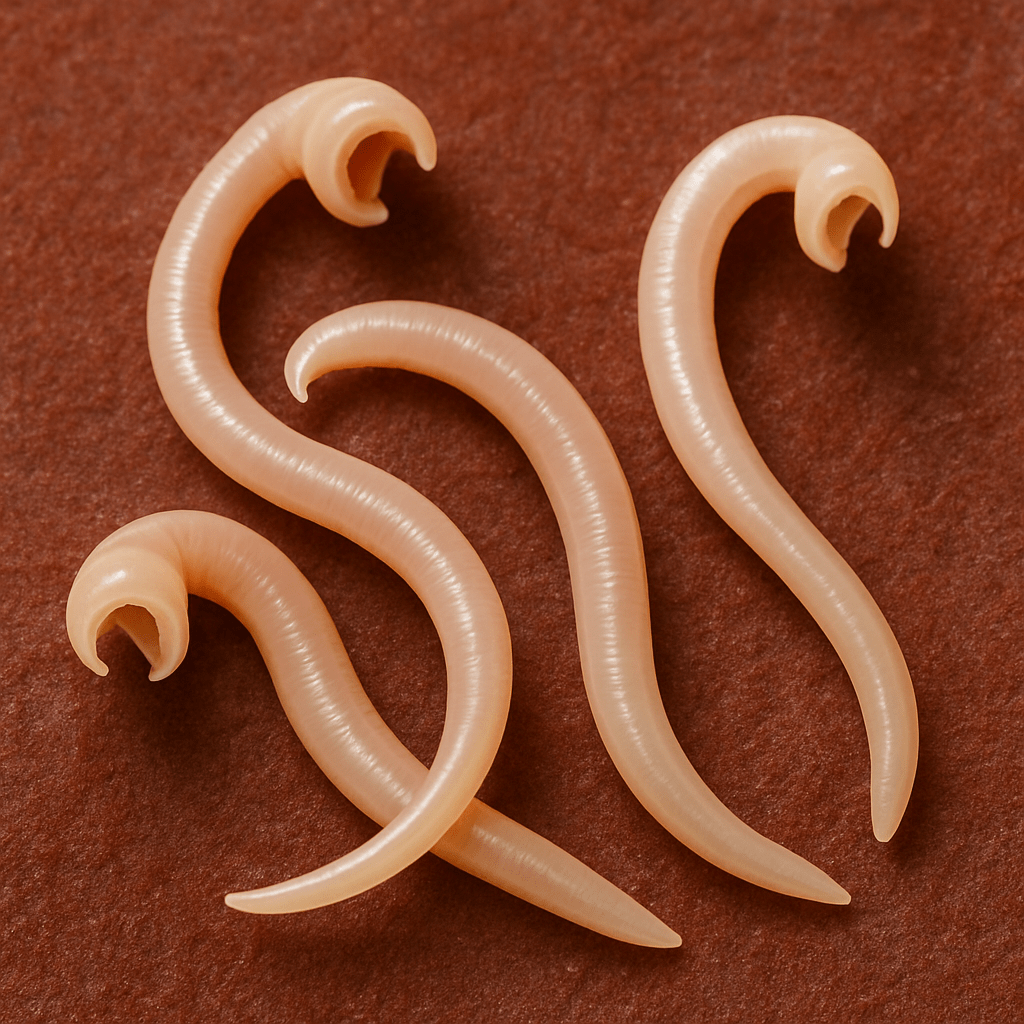
Hookworms are much smaller than roundworms, but are no less dangerous. They attach themselves to the lining of the dog’s intestines and feed on blood, potentially causing anemia. Dogs can acquire hookworms in multiple ways: by ingesting larvae from contaminated soil, through the skin when larvae burrow during contact with infested environments, or by licking their paws post-walk. Puppies can also be infected through nursing.
Tapeworms
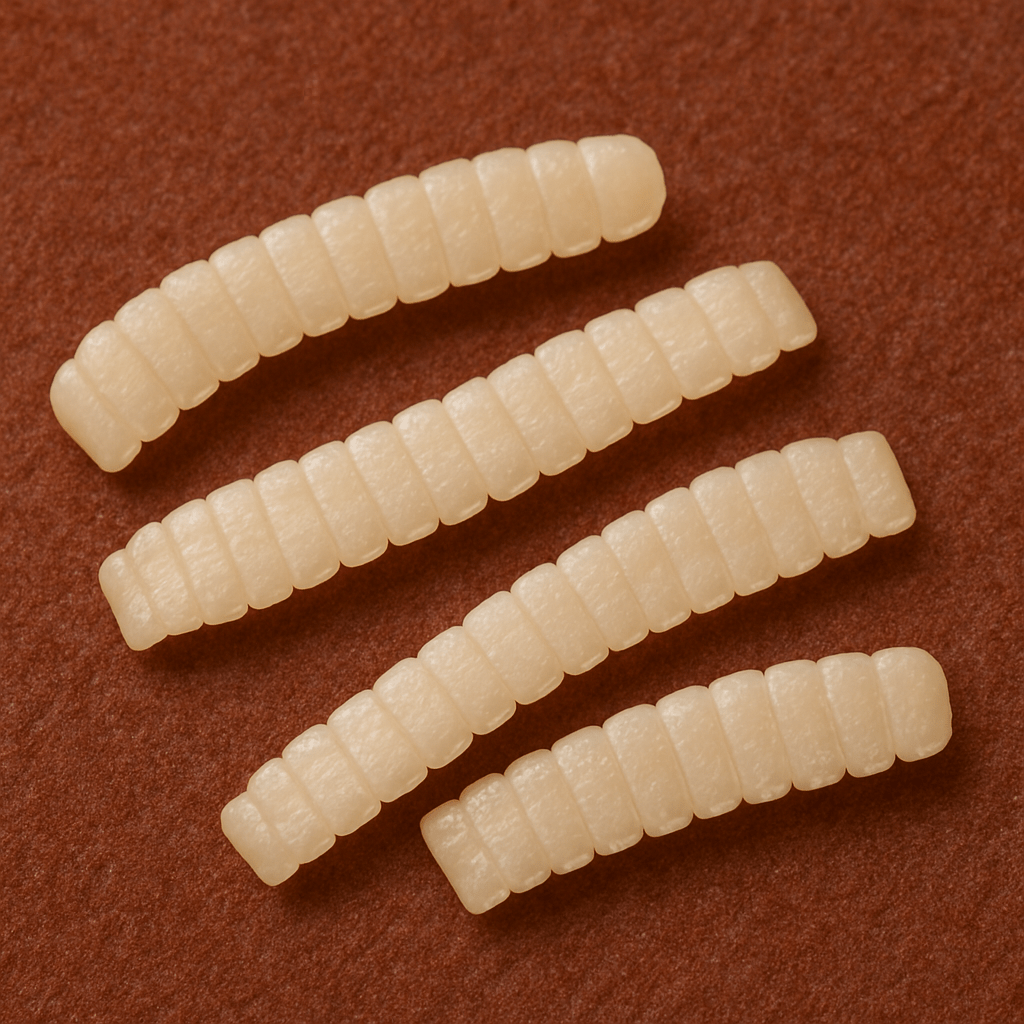
Tapeworms are flat, segmented worms that commonly infect dogs through the ingestion of fleas that act as intermediate hosts. When a dog grooms itself and swallows an infected flea, the tapeworm develops in the intestine. Segments of the worm, which look like grains of rice, may be visible around the dog’s anus or in its feces.
Whipworms
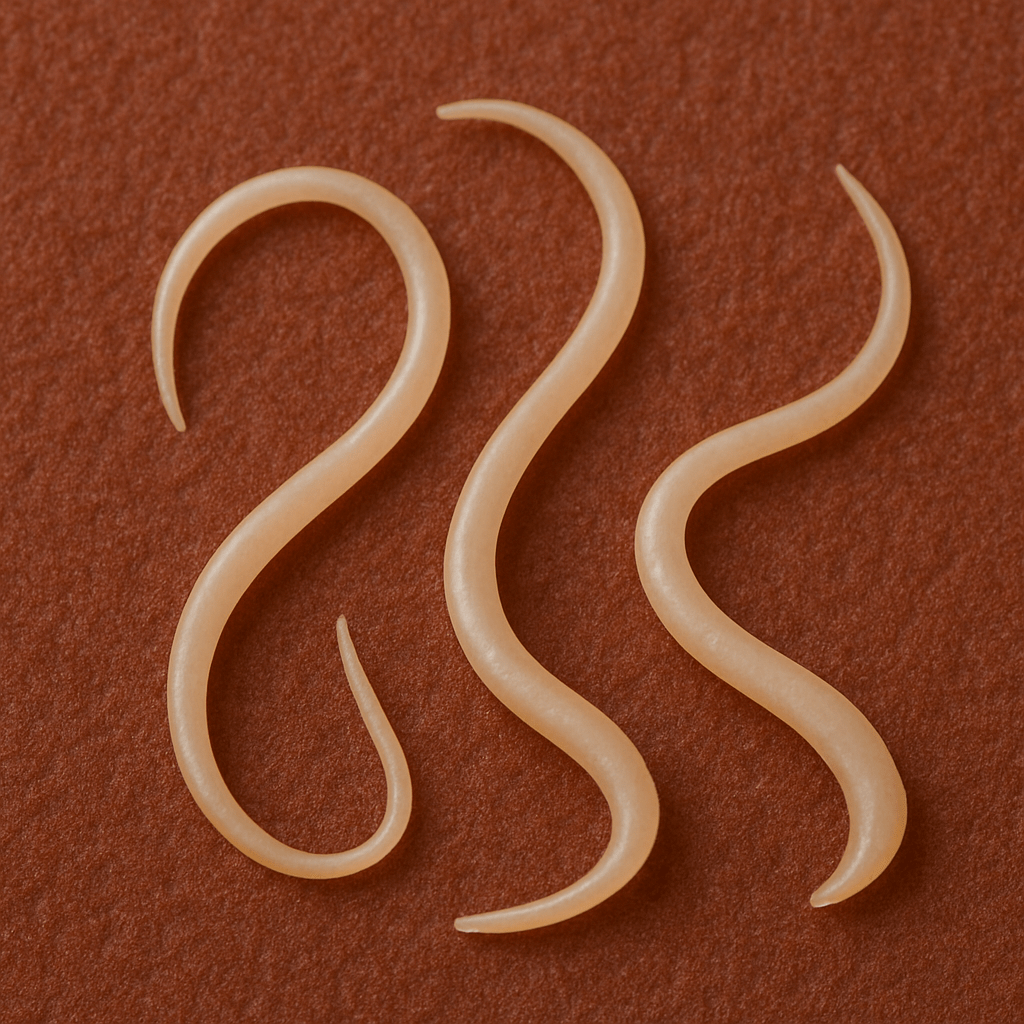
Whipworms reside in the large intestine and are named for their whip-like shape. Although smaller and less visible, they can cause significant irritation and inflammation in the intestinal tract. Dogs usually contract whipworms by ingesting eggs from contaminated food, water, or surfaces. These eggs are also highly resilient, capable of surviving in the environment for extended periods.
Causes of Worm Infestation in Dogs
Worm infestation in dogs can occur due to several factors, many of which involve exposure to contaminated environments or infected animals. One of the most common causes is contact with another carrier—whether it’s another dog, wild animal, or even a human handling infected materials. Dogs can also ingest worm eggs or larvae when exploring or eating contaminated food, water, or feces.
Contaminated soil can retain viable eggs and larvae for weeks or months, serving as a persistent source of infection. In the case of hookworms, larvae are capable of burrowing through the skin, particularly through the paws, and later being ingested when the dog licks itself. Tapeworms and lungworms typically require an intermediate host, like a flea or snail. Dogs inadvertently ingest these hosts during grooming or eating, initiating a worm infestation.
Transmission can also occur vertically. Pregnant dogs can pass on certain types of worms to their unborn puppies through the placenta. Additionally, puppies may become infected through their mother’s milk while nursing. These vertical transmission pathways make it essential to treat pregnant dogs as a part of a broader prevention strategy.
Symptoms of Worm Infestation in Dogs
Worm infestation in dogs might not show obvious signs initially, especially in mild or early stages. This makes regular checks even more important. As the infestation grows, dogs may start vomiting and experience diarrhea. In some cases, the diarrhea may contain blood, signaling a more severe problem. Puppies are particularly vulnerable; a heavy worm load can lead to life-threatening diarrhea, dehydration, and malnourishment.
Weight loss is another indicator of worm infestation. Dogs that are eating regularly but still losing weight should be checked immediately. A bloated or swollen belly, especially in puppies, often signals a significant worm problem. Pet owners should monitor their dogs closely for any changes in appetite, coat condition, energy level, and digestive health.
Importance of Regular Deworming
Worm infestation in dogs is best prevented with regular deworming. Routine treatment helps to eliminate existing worms before they can cause major health issues. Most veterinarians recommend deworming adult dogs at least every three months. This frequency helps to interrupt the lifecycle of the worms and keeps infestations from taking hold.
For pregnant dogs, monthly deworming is essential. This measure protects both the mother and her unborn puppies, reducing the risk of transmission through the placenta or milk. Puppies should follow a deworming schedule recommended by a vet, usually starting at two weeks old and continuing at intervals throughout their early months.
Hygiene Practices to Prevent Worm Infestation
Worm infestation in dogs can often be prevented through strict hygiene practices. Always clean up after your dog using poo bags and dispose of the waste properly. This simple habit reduces the spread of worm eggs and larvae in public spaces and your yard.
It’s also important to limit your dog’s exposure to environments where infected animals might have defecated. Parks, playgrounds, and communal dog walking areas can be hotspots for worm transmission. Washing your dog’s paws after walks and checking for any signs of contamination helps reduce the risk. Make it a routine to keep your dog’s living space clean, including their bedding, toys, and feeding bowls.
Veterinary Support and Diagnosis
Worm infestation in dogs can be effectively managed with help from veterinary professionals. One of the most critical steps is getting an annual fecal exam, which allows vets to detect worm eggs that aren’t visible to the naked eye. These diagnostic tests provide a clear picture of your dog’s internal health and guide appropriate treatment if necessary.
Regular veterinary checkups are not just about treating illnesses but also about preventing them. If your dog shows unusual symptoms like recurring diarrhea, vomiting, or unexplained weight loss, it’s essential to have their stool tested more frequently. At Animal Care Clinic, we specialize in thorough diagnostic procedures, including professional stool analysis, to ensure the exact type of worm is correctly identified. With our expert care, your dog receives targeted treatment using the most effective medications, helping to prevent future worm infestations before they start.
Preventing Infestation from Dog Parks and Communal Spaces
Worm infestation in dogs often occurs in high-traffic areas where many pets gather. Dog parks, walking trails, kennels, and daycare centers are common sites of contamination. These places may harbor worm eggs or larvae in the soil or grass, increasing the risk of exposure.
To reduce this risk, avoid letting your dog sniff or consume unknown substances on the ground. After every outing, especially to communal areas, wash your dog’s paws and coat. Using booties or paw wipes can help limit what your dog brings back into your home. Being proactive in these shared environments plays a vital role in prevention.
Flea Control and Its Role in Worm Prevention
Worm infestation in dogs is often linked to flea infestations, particularly in the case of tapeworms. Fleas serve as intermediate hosts for tapeworm larvae. When dogs bite at their itchy skin and ingest fleas, they can become infected with tapeworms without the owner even realizing it.
Controlling fleas is therefore essential to controlling worm infestation. Use veterinarian-recommended flea prevention treatments like topical applications, oral tablets, or flea collars. Keeping your home and pet bedding clean and using flea combs regularly will also help in reducing flea populations. This two-pronged approach of controlling both fleas and worms significantly lowers the risk of reinfection.
Natural Ways to Support Worm Prevention
Worm infestation in dogs can also be mitigated with natural dietary strategies. Certain vegetables and fruits that are high in fiber help bulk up stools, making it more difficult for worms to survive in the intestinal environment. Carrots, beets, and cucumbers are among the foods that can assist in cleansing your dog’s digestive tract.
Pumpkin seeds are particularly powerful. They contain an amino acid called cucurbitacin, which has been shown to paralyze and expel worms from the intestines. These seeds can be ground and added to your dog’s food in moderation, but always consult your vet before making any dietary changes intended for worm control.
Foods That Can Contribute to Worm Infestation
Worm infestation in dogs often results from consuming contaminated substances. Dogs may accidentally ingest worm eggs by licking dirty surfaces, scavenging garbage, or consuming feces. Raw or undercooked meat can also be a carrier of parasitic larvae.
Preventing access to such risky foods is key. Always supervise your dog while outdoors and avoid letting them roam in unsanitary areas. Feeding your dog high-quality, commercial pet food and maintaining a clean feeding environment can go a long way in preventing worm-related issues.
Effective Deworming Medications
Worm infestation in dogs requires effective deworming medications for thorough treatment. Broad-spectrum dewormers are available that target multiple types of worms, including roundworms, hookworms, and tapeworms. One commonly used product is PetArmor® 7 Way De-Wormer, which contains pyrantel pamoate and praziquantel. This combination treats and controls tapeworms, roundworms, and hookworms.
Always consult your veterinarian before giving your dog any medication. The vet can recommend the most suitable product based on the dog’s age, weight, health condition, and the type of worms involved. Over-the-counter options exist, but prescription dewormers may be necessary for more severe infestations.
Myths and Misconceptions About Worms in Dogs
Worm infestation in dogs is surrounded by many myths that can lead to harmful outcomes. One common misconception is that home remedies like garlic or coconut oil can cure worm infestations. In reality, these approaches are ineffective and can even be toxic to dogs if used improperly.
Another myth is that indoor dogs are not at risk. Even pets that rarely go outside can be exposed to parasites through contaminated shoes, surfaces, or other animals. Only regular deworming and proper hygiene can protect all dogs, regardless of their environment.
Routine Maintenance and Owner Awareness
Worm infestation in dogs can be consistently avoided by building and maintaining proper care habits. Routine maintenance includes deworming on schedule, keeping living areas clean, checking for symptoms, and visiting the vet regularly. Educating yourself and staying updated on best practices is just as important as any medication.
Owners should be aware of the signs of infection and understand how worms are transmitted. This awareness empowers proactive action, preventing the infestation before it ever begins.
Conclusion: Stay Vigilant to Keep Your Dog Safe
Worm infestation in dogs is a serious issue that requires consistent attention and action. From understanding the types and causes to recognizing symptoms and implementing prevention methods, every step plays a critical role in your dog’s health. Regular deworming, good hygiene, flea control, proper diet, and routine vet visits form the foundation of effective prevention.
By staying vigilant and informed, you can protect your beloved pet from the discomfort and danger of parasitic worms. Prevention is far easier and safer than treatment after the fact.
FAQs on Worm Infestation in Dogs
Q1. How do I prevent my dog from getting worms?
Ensure regular deworming every 3 months, maintain hygiene, and avoid areas with high contamination risks. Prevent flea infestations and schedule annual fecal exams with your vet.
Q2. What is the best natural worm prevention for dogs?
Feeding your dog fiber-rich fruits and vegetables like carrots and cucumbers can support digestive health. Pumpkin seeds contain cucurbitacin, a natural compound that helps expel worms.
Q3. What do dogs eat to get worms?
Dogs may contract worms from consuming raw or contaminated food, scavenging garbage, eating feces, or licking contaminated surfaces.
Q4. Do pumpkin seeds help prevent worms?
Yes, pumpkin seeds are a natural deworming agent due to their high content of cucurbitacin, which paralyzes and removes worms from the intestine.
Q5. What medicine kills all worms in dogs?
PetArmor® 7 Way De-Wormer and similar products containing pyrantel pamoate and praziquantel are effective against roundworms, hookworms, and tapeworms. Consult your vet for tailored recommendations.
For more comprehensive insights on worms in dogs, including symptoms, treatment options, and prevention tips, you can visit the American Kennel Club’s official guide on worm infestation. Combining expert advice from sources like the AKC with regular veterinary care from Animal Care Clinic ensures your dog stays healthy, happy, and worm-free.

0 Comments